
Bio-Pesticides for Indian Farms: A Practical Guide
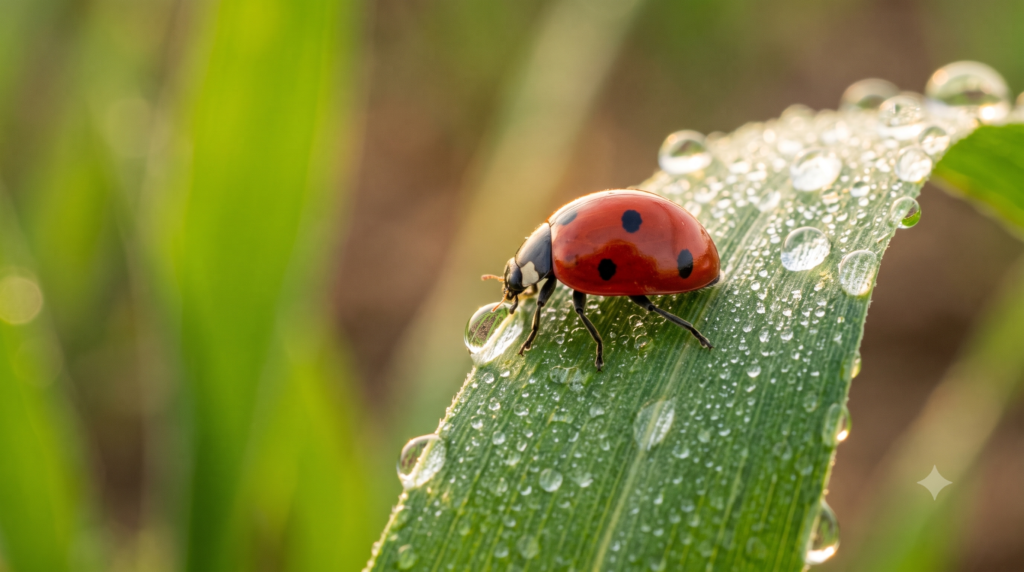
Pesticide residue is no longer just a “global market” concern — it’s affecting domestic buyer decisions, export rejections, and even soil health on farms that have used the same chemical rotation for years. At the same time, plenty of farmers remain skeptical of bio-pesticides, often based on a bad first experience with a low-quality product. Both concerns are valid. Let’s address them honestly.
What Are Bio-Pesticides?
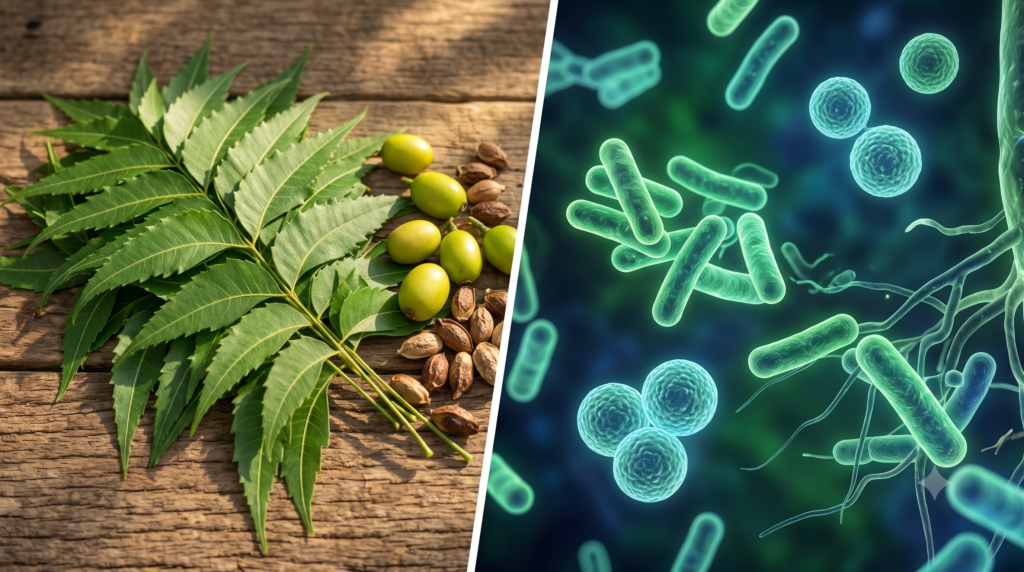
Bio-pesticides are pest and disease control products derived from natural sources rather than synthetic chemistry. They generally fall into three categories:
- Microbial bio-pesticides – Beneficial bacteria, fungi, or viruses (e.g., Bacillus thuringiensis, Trichoderma) that target specific pests or pathogens
- Botanical bio-pesticides – Plant-derived compounds (e.g., neem-based formulations) with insect growth disruption or repellent properties
- Biochemical bio-pesticides – Naturally occurring substances like pheromones that disrupt pest mating cycles rather than killing on contact
The Real Benefits — Without the Sales Pitch
Residue-free harvest. This matters directly for crops headed to export markets or premium domestic retail chains with strict residue limits, and increasingly for ordinary mandis as buyer awareness grows.
Soil microbiome protection. Broad-spectrum chemical pesticides don’t just kill the target pest — they often damage beneficial soil microbes and natural predator insects too. Over years, this can quietly degrade soil health and increase dependency on more inputs, not fewer.
Resistance management. Pests build resistance to repeated chemical modes of action. Rotating in bio-pesticides as part of an integrated program slows this resistance buildup, protecting the long-term effectiveness of your chemical options too.
Safer handling. Most bio-pesticides have shorter re-entry intervals and lower applicator health risk compared to many synthetic chemical pesticides.
Myth-Busting: What Farmers Actually Worry About

“Bio-pesticides don’t work as fast or as strong as chemicals.” Partially true, and worth being honest about. Most bio-pesticides work through a different mechanism — disrupting pest growth/feeding/reproduction rather than instant knockdown. They perform best as part of a preventive or early-stage program, not as a rescue treatment once an infestation is already severe. Used at the right time, results are comparable; used too late, they will disappoint.
“They have a short shelf life and go bad quickly.” Quality and storage matter a lot here. Microbial products especially need to be stored away from direct heat and sunlight, and used within their recommended shelf window. A poorly stored or expired product underperforming isn’t a fair test of the category — it’s a storage and sourcing issue.
“Switching fully to bio-pesticides will tank my yield.” Nobody serious recommends an overnight 100% switch. The realistic, proven approach is Integrated Pest Management (IPM) — combining bio-pesticides for prevention and early intervention with judicious, targeted chemical use only when pest pressure crosses an economic threshold. This reduces total chemical load without gambling the whole season.
How to Use Bio-Pesticides Effectively
- Start before the pest population explodes, not after. Bio-pesticides are fundamentally preventive and early-intervention tools.
- Apply during the right window — early morning or evening for most microbial and botanical products, avoiding direct harsh midday sun which can degrade active ingredients.
- Store correctly. Cool, dry, away from direct sunlight — check the specific product label, as shelf-life requirements vary by formulation type.
- Don’t tank-mix blindly with strong chemical pesticides or fungicides without checking compatibility — some combinations can reduce the bio-pesticide’s effectiveness.
- Track and adjust. Keep a simple log of what you applied, when, and the pest pressure you observed — this builds a program tailored to your specific field over a season or two, rather than guessing every year.
Where Kropnex Fits In
Our Bio Pesticides & Organic Inputs range is built for farmers who want a genuinely workable IPM program — not a marketing promise. We focus on consistent quality and proper formulation stability, because we know a farmer’s trust in this category is earned (or lost) on the first season’s results.
Frequently Asked Questions
Can I use bio-pesticides on all crops? Most bio-pesticides are broadly applicable, but always check the product label for crop-specific recommendations and target pests — not every formulation suits every crop-pest combination.
Do bio-pesticides count toward organic certification? Many do, but certification requirements vary by certifying body and country. Always verify the specific product’s approved input status with your certifier before relying on it for certified organic production.
How long does it take to see results after switching to a bio-pesticide program? Because bio-pesticides often work preventively, results show up as reduced pest pressure over a season rather than instant visible kill — give a full crop cycle before judging overall effectiveness.
Curious whether a bio-pesticide program makes sense for your crop and pest pressure? Get a free quote from Kropnex Agro Tech or message us on WhatsApp — we’ll help you build a practical IPM plan, not just sell you a bottle.