

Most farmers focus on NPK first — and rightly so, it’s the backbone of plant nutrition. But here’s something quieter that’s costing yield on lakhs of acres every season: hidden hunger. It’s the term agronomists use for micronutrient deficiencies that don’t show obvious symptoms until the damage is already done — stunted growth, poor flowering, smaller fruit size, or weak resistance to disease.
The fix isn’t complicated. It’s about giving your crop the right form of nutrition — and that’s where chelated micronutrients come in.
What Are Micronutrients, and Why Do Crops Need Them?
Plants need micronutrients like Zinc (Zn), Iron (Fe), Manganese (Mn), Boron (B), and Copper (Cu) in small quantities — but “small quantity” doesn’t mean “small importance.” These elements drive:
Zinc – enzyme activity, protein synthesis, and grain filling
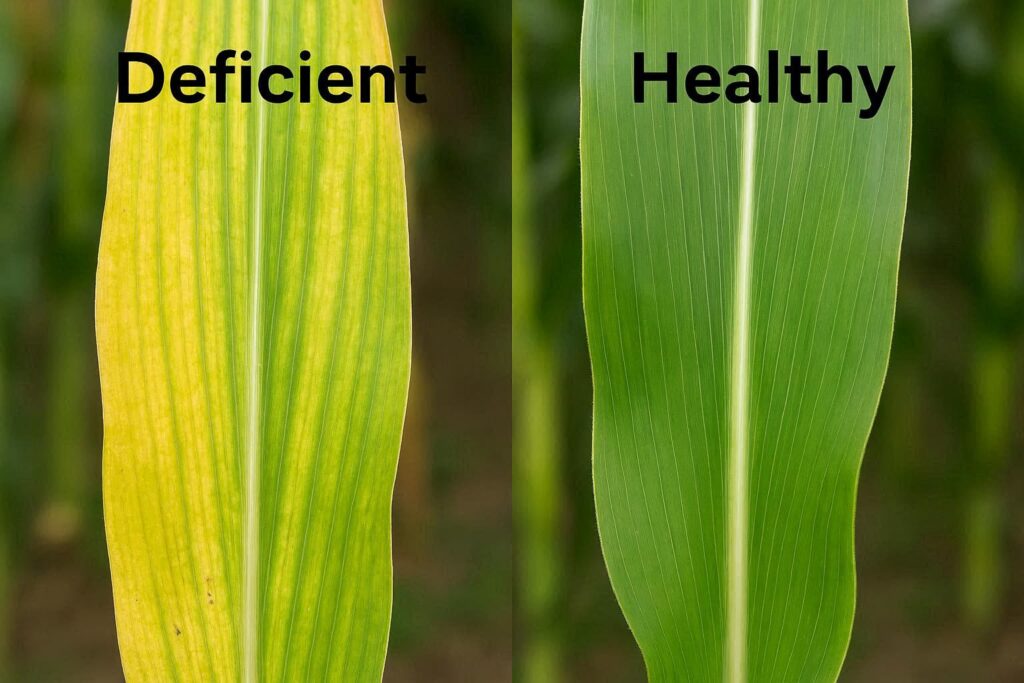
Iron – chlorophyll formation (deficiency = pale, yellowing leaves)
Boron – flower and fruit set, pollen viability
Manganese – photosynthesis and nutrient metabolism
Copper – seed and fruit development, disease resistance
Even one of these missing at the wrong growth stage can quietly cap your yield potential, even if your NPK program is perfect.
Why “Chelated” Form Matters
Here’s the part most farmers aren’t told clearly: not all micronutrients behave the same way once they hit the soil.
Raw micronutrient salts (like plain zinc sulphate) react with soil particles — especially in alkaline or calcareous soils common across large parts of India — and get locked up. The nutrient is technically present in the soil, but the plant simply can’t absorb it.
A chelating agent (EDTA, EDDHA, or HEDP) wraps around the metal ion like a protective shield, keeping it soluble and available to plant roots regardless of soil pH. Think of it as the difference between handing someone a key versus handing them a key sealed inside a locked box.
Quick comparison:
| Factor | Raw Salt Form | Chelated Form |
| Soil pH sensitivity | High — easily locked up | Low — stable across pH range |
| Uptake efficiency | Variable, often poor | Significantly higher |
| Foliar spray compatibility | Can cause leaf burn at high doses | Safer, more uniform absorption |
| Cost per effective dose | Looks cheaper upfront | Often more cost-effective per unit absorbed |
EDDHA-chelated iron, for example, is specifically valued because it stays available even in high-pH, calcareous soils where ordinary iron sources fail completely — a common scenario in much of central and northern India.
How to Spot Deficiency Before It Costs You Yield

Zinc deficiency – Interveinal yellowing on younger leaves, shortened internodes, “little leaf” symptoms in fruit crops
Iron deficiency – Yellowing between veins while veins stay green, usually on new growth first
Boron deficiency – Poor fruit/flower set, hollow stems, cracked fruit in crops like cauliflower and fruit trees
Manganese deficiency – Grey or brown speckling between veins, common in cereals on sandy soils
If you’re seeing any of these and your fertilizer program looks “correct” on paper, the problem is very likely availability, not absence.
Getting the Application Right
A good product applied the wrong way still underperforms. A few practical rules:
1. Soil test first, guess later. A basic soil test tells you which micronutrients are genuinely short, so you’re not spraying blind.
2. Match the method to the crop stage. Foliar sprays act fast and are ideal for correcting a deficiency mid-season. Soil/fertigation application builds a more sustained nutrient reserve for the whole season.
3. Don’t tank-mix carelessly. Some micronutrients can react with certain pesticides or high-calcium water sources. Always do a jar test before mixing a new combination at scale.
4. Time it to the crop’s need, not the calendar. Boron matters most just before flowering; zinc matters most during early vegetative growth and grain fill.
5. Avoid over-application. More is not better — excess micronutrients can become toxic and unbalance uptake of other nutrients.
Where Kropnex Fits In
Our Chelated Micronutrients range — built on EDTA, EDDHA, and HEDP chelation technology — is formulated specifically to stay available to the plant across varying soil and water conditions, including the high-pH soils common across much of India. Whether you’re correcting an active deficiency through foliar spray or building season-long nutrient security through fertigation, we formulate to match the application method, not just the nutrient label.
Frequently Asked Questions
Q. Is chelated micronutrient fertilizer worth the extra cost compared to regular salts?
In most soils with pH above 7, yes — because a much higher percentage of the chelated nutrient actually reaches the plant, compared to raw salts that can get locked up in the soil before the roots ever access them.
Q. Can I mix chelated micronutrients with my regular pesticide spray?
Often yes, but always do a small jar compatibility test first, especially with copper-based or strongly alkaline products.
Q. How often should micronutrients be applied in a season?
This depends on crop, soil test results, and growth stage — typically 2–3 foliar applications at key growth stages for row crops, with soil/fertigation application for season-long crops.
Q. Not sure which micronutrient blend fits your crop and soil type?
[Get a free quote from Kropnex Agro Tech](#) or message us directly on WhatsApp — our team will recommend a program based on your crop, soil, and region.